 우선 입장 가능
 Casa di Giulietta 내부 볼거리
청동 줄리엣 상, 중정, Zeffirelli 의상, 프레스코화로 장식된 각 방, 그리고 유명한 발코니까지, 공간별로 안내해 드립니다.
Casa di Giulietta는 베로나의 소규모 시립 박물관 중 하나이며, 그것이 바로 이곳의 매력입니다. 전체 관람 시간은 건물 내부 30~60분, 중정에서 15~30분 정도 소요됩니다. 내부는 14세기 원형 벽돌 타워 하우스 구조로 이루어져 있으며, 2026년 새롭게 추가된 Teatro Nuovo 로비가 입구 역할을 합니다. 대규모 국립 박물관을 기대하시는 분들께는 다소 아쉬울 수 있으나, 청동 상, 중정, 중세 방들, Zeffirelli 영화 전시, 그리고 발코니를 집중적으로 둘러보는 경험으로 이해하고 방문하시는 분들은 만족스럽게 돌아가십니다. 본 가이드는 대부분의 관람객이 거치는 동선 순서대로 박물관을 안내하며, 각 공간의 구성 요소와 그 의미를 설명해 드립니다.
Teatro Nuovo 로비와 새로운 입장 경험
2026년 4월 1일부터 모든 방문객은 Piazzetta Navona의 Teatro Nuovo 로비를 통해 입장합니다. Teatro Nuovo 자체는 19세기 도시 극장으로, 웅장한 홀과 로비가 유료 관람에 통합되어 있습니다. 두 가지 입장권 등급 모두 이 입장 체험을 포함합니다. 걸어 들어온 방문객은 로비의 회벽 장식, 안뜰로 입장시키는 박스 패스 스캐너, 앞으로 나아갈 방향을 안내하는 표지판을 보게 됩니다. 로비는 분주한 공공 도로와 그 너머의 작은 중세 안뜰 사이의 완충 공간 역할을 하며, 예전 Via Cappello 문에 비해 혼잡 흐름이 눈에 띄게 개선되었습니다. 방문객은 15분 단위 시간대에 맞춰 입장하며, 연속으로 밀려들지 않습니다.
오디오 가이드 대여소와 소규모 뮤지엄 숍이 로비에 마련되어 있습니다. 큰 배낭은 보관 서비스를 이용하실 수 있으며, 작은 가방은 소지하고 입장 가능합니다. 로비는 완전한 무장애 시설로, 신축 입구 건물의 모든 층으로 연결되는 엘리베이터와 중정까지 이어지는 단차 없는 통로가 마련되어 있습니다. 오디오 가이드 수령, 필요 시 가방 보관, 그리고 중정까지 이동하는 데 약 5분 정도 예상하시면 됩니다.
중정, 청동 줄리엣 상, 그리고 편지 벽
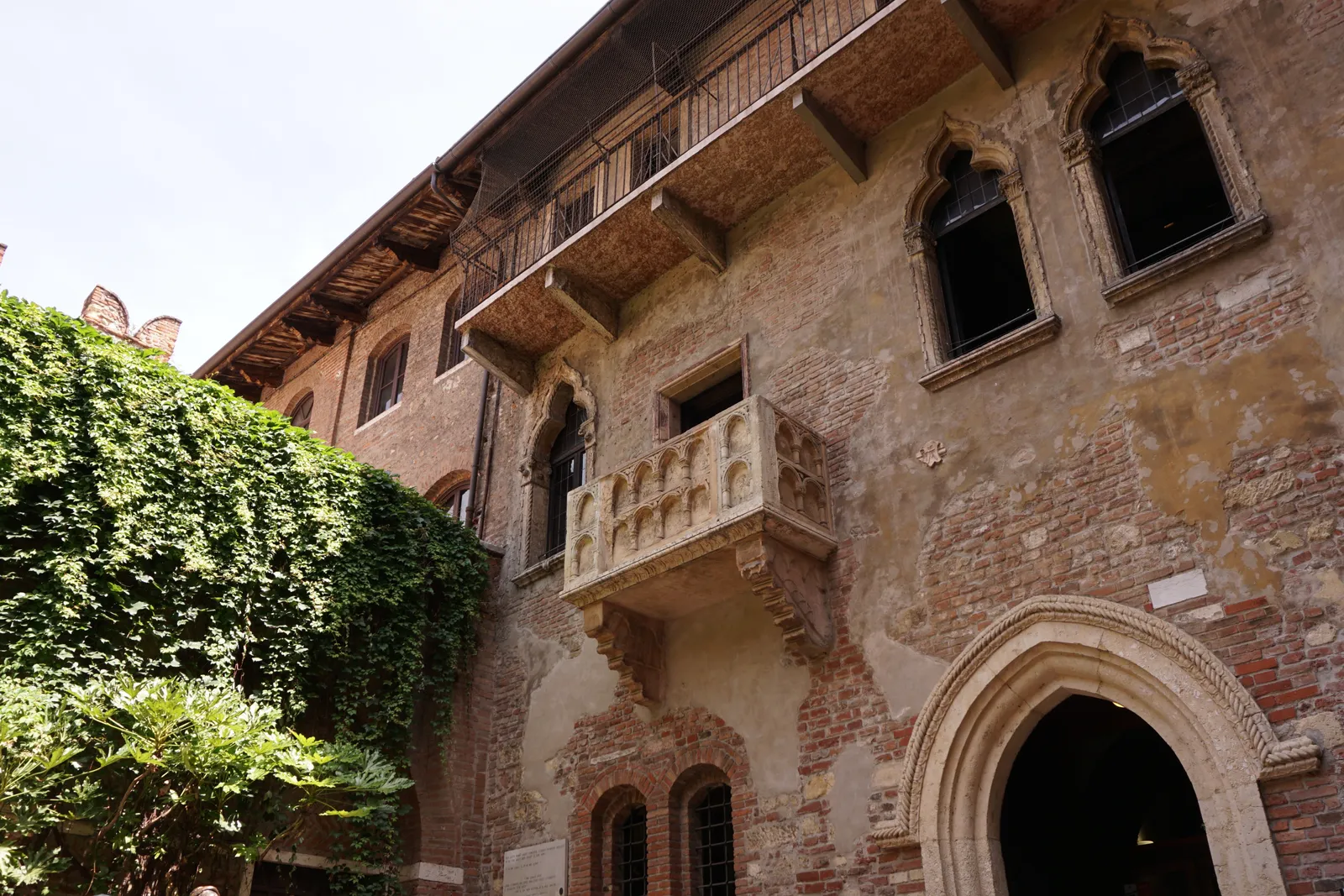
중정은 약 15미터 정도의 아담한 규모로, 청동 줄리엣 상과 그 위 발코니가 시선을 사로잡습니다. 현재의 동상은 2014년 제작된 복제품으로, 1973년 Nereo Costantini가 조각하여 베로나 라이온스 클럽이 기증한 원본을 재현한 것입니다. 원본은 수십 년간의 사진 촬영 전통으로 인한 마모로 실내로 이전되었으며, 관람객들은 계속해서 복제품의 오른쪽 가슴을 행운을 빌며 만지고 있어 복제품 역시 점차 닳아가고 있습니다. 윤이 나는 석재 바닥, 삼면을 둘러싼 중세 벽돌 벽, 그리고 의도적으로 설계된 고딕 양식의 발코니가 어우러져 관람객들이 찾아온 목적인 사진을 완성합니다. 대부분의 관람객은 건물 박물관으로 들어가기 전 이곳에서 15~30분을 보내십니다.
중정 한쪽 벽면을 따라 편지 벽이 자리하고 있습니다. 관람객들은 줄리엣에게 보내는 편지를 벽에 테이프로 붙이거나, 틈새에 끼우거나, 자원봉사 단체 Club di Giulietta가 관리하는 전용 우편함에 넣고 갑니다. 1980년대부터 베로나 시의 재정 지원과 지역 자원봉사자들의 운영으로 이어져 온 이 클럽은 여러 언어로 편지를 읽고 답장을 보냅니다. 2010년 기준 연간 5,000통 이상의 편지를 받았으며, 2010년 미국 영화 Letters to Juliet(이 단체를 다룬 Lise와 Ceil Friedman의 책을 원작으로 함)로 인해 편지 수가 더욱 증가했습니다. 박물관 직원들은 벽 손상 방지와 자원봉사 답장 프로세스 진행을 위해 주기적으로 벽에 붙은 편지들을 제거합니다.
프레스코화로 장식된 중세 방들
안뜰에서 짧은 계단을 오르면 중세 저택 내부로 들어서게 됩니다. 14세기 원형 벽돌 탑의 3개 층에 걸쳐 보존된 실내 공간에서는 프레스코화로 장식된 방들을 통해 중세와 르네상스 시대 베로나 가정 생활의 정수를 엄선하여 선보입니다. 프레스코화는 일부 원본과 일부 복원 작품으로 구성되어 있으며, 각 방은 르네상스 시대 양식으로 재현된 가구들로 꾸며져 특정 역사적 실내를 재현하기보다는 당대의 분위기를 생생히 전달합니다. 이탈리아어와 영어로 작성된 안내판에서는 Capello 가문의 역사, 18세기와 19세기에 걸친 셰익스피어 연관성의 발전 과정, 그리고 오늘날 관람객들이 보는 박물관을 탄생시킨 건축가 Antonio Avena의 1939년 재설계에 관한 설명을 확인하실 수 있습니다.
각 방은 아담하고 바닥은 목재로 되어 있으며, 의도적으로 조용하고 여유로운 관람 동선을 제공합니다. 넓은 전시 공간이나 장황한 교육 전시물은 없습니다. 관람객들은 일반적으로 중세 방들이 있는 3개 층을 둘러보는 데 15~20분을 소요하며, 모든 안내판을 읽으실 경우 더 길어질 수 있습니다. 층간 이동 계단은 돌로 되어 있고 마모된 상태이므로, 거동이 불편하신 관람객께서는 상층부 관람을 생략하셔야 할 수 있습니다. 상층 창문에서 안뜰을 내려다보는 전망 자체도 충분히 감상할 가치가 있습니다. 이 각도에서는 안뜰이 실제로 얼마나 아담한 공간인지 새롭게 발견하실 수 있습니다.
Zeffirelli의 로미오와 줄리엣 의상 전시
저택 박물관 내부의 중심 전시는 Franco Zeffirelli가 연출한 1968년 영화 '로미오와 줄리엣'의 의상과 소품 컬렉션입니다. 이탈리아 현지에서 부분 촬영된 이 영화는 아카데미 최우수 촬영상과 최우수 의상상을 수상했습니다. Casa di Giulietta 전시에서는 원본 의상 작품들을 선별하여 선보입니다. 줄리엣의 가운, 로미오의 더블릿, Capulet 무도회 의상 등이 유리 케이스 안 마네킹에 전시되어 있으며, Zeffirelli의 연출 선택과 의상 디자이너 Danilo Donati에 관한 이탈리아어 및 영어 안내판이 함께 제공됩니다. 의상들은 훌륭하게 보존되어 있으며 박물관에서 가장 많이 사진 촬영되는 전시물 중 하나입니다.
Zeffirelli 전시는 문학적 전통에 실체적인 영화적 정착점을 부여함으로써 박물관의 감성적 중심축 역할을 합니다. 1968년 영화를 아시는 관람객들은 즉시 의상을 알아보시고, 그렇지 않은 분들은 안내판을 통해 작품을 소개받으십니다. 1968년 '로미오와 줄리엣'은 영어권 학교에서 널리 교육되고 있어, 한 세대의 국제 관람객들이 셰익스피어의 비극을 이해하는 주된 참조점으로 이 영화를 접하고 방문합니다. 이 전시는 이러한 현상을 인정하고, 의상을 애초에 Casa di Giulietta를 탄생시킨 19세기 문학 관광 물결의 현대적 등가물로 자리매김합니다. 각 세대는 중세 저택에 자신만의 이야기 버전을 덧입힙니다.
발코니 그 자체
상층 방에서 짧은 계단을 오르면 관람객들이 찾아오는 건축적 핵심인 발코니에 도착합니다. 발코니는 1939년 Antonio Avena에 의해 설치되었으며, 시의 시립 소장품에서 가져온 중세 대리석 석관을 활용하여 제작되었고 두 개의 새로운 대리석 받침대로 지지됩니다. 중세 저택 원형에는 없던 것이지만, 그 자체로 현재 86년의 역사를 지닌 20세기 이탈리아 보존 건축의 기록된 작품입니다. 발코니에 서면 30분 전 서 있었던 안뜰을 내려다보게 됩니다. 유명하게도 그 거리는 짧고, 안뜰은 작으며, 박물관을 긴 여정으로 통과한 후 도착한 발코니는 놀랍도록 친밀한 느낌을 전합니다.
관람객들은 이곳에서 몇 분을 보내며 발코니 순간을 위해 정중하게 차례를 기다렸다가 다시 내부로 돌아갑니다. 전형적인 사진은 안뜰 바닥에서 위를 올려다보며 촬영하는 것입니다. 동행이 있으시다면, 표준적인 패턴은 먼저 동행을 아래로 보내 사진을 찍게 한 후 교대하는 것입니다. 일부 관람객들은 셰익스피어의 2막 2장 발코니 대사를 낮은 목소리로, 자의식의 정도는 다양하게, 낭송하기도 합니다. 전 구역에서 사진 촬영이 허용됩니다. 발코니는 낮은 대리석 난간을 갖추고 있으며 한 번에 2~3명의 관람객만 설 수 있을 정도로 작습니다. 관람객 흐름은 박물관 직원이 아닌 건축 구조 자체에 의해 자연스럽게 제한됩니다.
자주 묻는 질문
Casa di Giulietta 내부 관람에는 얼마나 시간이 걸립니까?
중세 저택과 Zeffirelli 의상 전시는 30~60분, 안뜰에서 청동 조각상과 편지 벽 감상은 15~30분이 소요됩니다. 여유로운 전체 관람은 약 90분입니다.
내부에서 가장 많이 촬영되는 대상은 무엇인가요?
Zeffirelli의 1968년 로미오와 줄리엣 의상과 발코니 자체가 실내에서 가장 많이 촬영되는 두 가지 피사체입니다. 중정에서는 청동 줄리엣 동상과 아래에서 바라본 발코니가 대표적인 촬영 명소입니다.
실제로 발코니 위에 올라갈 수 있나요?
네, 가능합니다. 상층 티켓에는 발코니 출입이 포함되어 있습니다. 상층 객실에서 짧은 계단을 통해 발코니로 나갈 수 있으며, 발코니에는 한 번에 2~3명의 방문객이 설 수 있습니다.
1968년 Zeffirelli 영화의 의상이 실제 오리지널인가요?
네, 영화에 사용된 오리지널 의상 중 일부가 유리 케이스 안에 전시되어 있으며, 의상 디자이너 Danilo Donati와 제작 히스토리에 관한 안내 패널이 함께 제공됩니다.
줄리엣의 가슴을 만지는 전통은 어디서 유래했나요?
1973년 이후 비공식적으로 시작된 전통으로, 청동 줄리엣 동상의 오른쪽 가슴을 만지면 사랑에 행운이 찾아온다고 전해집니다. 1973년 Costantini의 원작 청동상은 수십 년간의 접촉으로 눈에 띄게 마모되었으며, 2014년 제작된 복제본 역시 현재 마모가 진행되고 있습니다.
Casa di Giulietta 내부의 중세 프레스코화는 오리지널인가요?
부분적으로 그렇습니다. 일부 프레스코화는 중세 및 르네상스 시대의 원작을 보존하고 있으며, 나머지는 1939년 Avena의 박물관 재설계 과정에서 복원되거나 분위기 있게 재구성되었습니다. 안내 패널에서 문서화된 내용을 구분하여 설명하고 있습니다.
Casa di Giulietta 내부의 가구는 원본입니까?
아닙니다. 르네상스 시대 가구는 복제품으로, 카펠로 가문 저택 시대의 분위기를 재현하기 위해 선정된 것이며 역사적으로 기록된 실제 내부를 복원한 것은 아닙니다.
안뜰에서 줄리엣에게 편지를 쓸 수 있습니까?
가능합니다. 편지는 전용 우체통에 넣거나 편지 벽에 테이프로 붙이실 수 있으며, 또는 자택에서 베로나의 Casa di Giulietta 줄리엣 앞으로 발송하실 수도 있습니다. 자원봉사 단체인 Club di Giulietta에서 편지를 읽고 답장을 보내드립니다.
뮤지엄 샵이 있습니까?
있습니다. Teatro Nuovo 로비에 위치하고 있습니다. 셰익스피어 관련 서적, 베로나 기념품, 제피렐리 의상 전시 복제품 등을 판매하고 있습니다.
상층부는 엘리베이터로 이동할 수 있습니까?
불가능합니다. 중세 건물의 상층부와 발코니는 원형 석조 계단으로만 접근 가능하며 엘리베이터는 없습니다. Teatro Nuovo와 안뜰은 계단 없이 출입하실 수 있으나, 박물관 상층부 관람과 발코니는 계단으로만 이동 가능합니다.